
In an era when AI can conjure images in seconds and stock photo libraries offer millions of options, it’s tempting to rely on these quick fixes for your marketing. But here’s the truth: using real, authentic brand visuals consistently beats using generic stock or AI-generated imagery.
We’ve seen it time and again with clients: investing in your own photos and footage pays off in stronger brand identity, deeper customer trust, better performance metrics, and fewer legal headaches. Let’s break down why real beats fake when it comes to your brand’s visuals.
Consistency that strengthens your brand identity
Your brand’s visual identity is unique (or at least it should be). Stock images are available to anyone, meaning you risk using the exact same visuals as countless other businesses. That lack of originality can make your brand look generic and indistinguishable from competitors. It’s hard to stand out or convey a distinct personality if your website and ads feature the same smiling stock model everyone else is using.
By using real footage and photos tailored to your brand, every image and video becomes unmistakably yours. You can ensure your company’s colours, style, and vibe come through in each shot. As one industry expert put it, stock content might look polished, but “it’s not you. It’s someone else’s footage, someone else’s work, and someone else’s story”. Custom visuals, on the other hand, are built around your story. They reinforce your values and messaging at every touchpoint, from your website homepage to your LinkedIn posts, creating a cohesive brand experience.
Consistency is all about building recognition. Over time, customers see a photo or video and immediately know it’s your brand because the look and feel is consistent. You simply can’t get that with one-size-fits-all stock imagery. A strong brand needs a unique visual language, and that comes from content you create, not content you buy off a shelf.
Building trust with authentic visuals
Trust is the currency of modern marketing, and authenticity is key to earning it. Customers today can instantly spot inauthentic visuals. Overused stock photos tend to feel lifeless, and AI-generated images (no matter how clever) often miss the human nuance that makes content relatable. When people sense a visual is just a staged scene or a digital fabrication, it doesn’t move them; in fact, it can create cynicism.

In contrast, showing real people, real moments, and real stories from your business makes your audience feel something genuine. The goal of your content is to build a relationship; to “show people who you are, and invite them into your world”. That’s something stock photos can’t do. Authentic visuals humanize your brand. Whether it’s your team in action, your actual customers, or behind-the-scenes glimpses, these images and videos spark an emotional connection.
When your audience sees authentic content, it signals transparency and honesty. They’re more likely to trust what you say and what you sell because the visuals feel real. In a time when 61% of people worry businesses are misleading them, being visually authentic is a simple but effective way to say, “We have nothing to hide. This is who we are.” And trust translates to measurable business results. Trusted companies outperform their peers by up to 400% in market value, according to Deloitte research.
Dove: Keeping it real
Dove broke industry norms by featuring real women (not models) in its ads. This authentic approach struck an emotional chord with consumers, helping Dove become one of Unilever’s top-performing brands (€6 billion in 2023 sales). Today, Dove is so committed to real imagery that it pledges never to use AI to create or alter images of women in its campaigns. The brand’s 20-year consistency in keeping it real has built enormous trust and loyalty.
The takeaway? Authenticity isn’t a nice-to-have – it’s a must-have for building a trustworthy brand.
Better storytelling (and content you can reuse)
Another big advantage of creating your own brand visuals is the storytelling potential and reuse value. Stock images are static and generic: they capture none of your company’s narrative. Authentic footage, on the other hand, can be crafted to tell a story about your brand’s journey, values, or customers. You’re not just showing a pretty picture; you’re showing a meaningful moment.
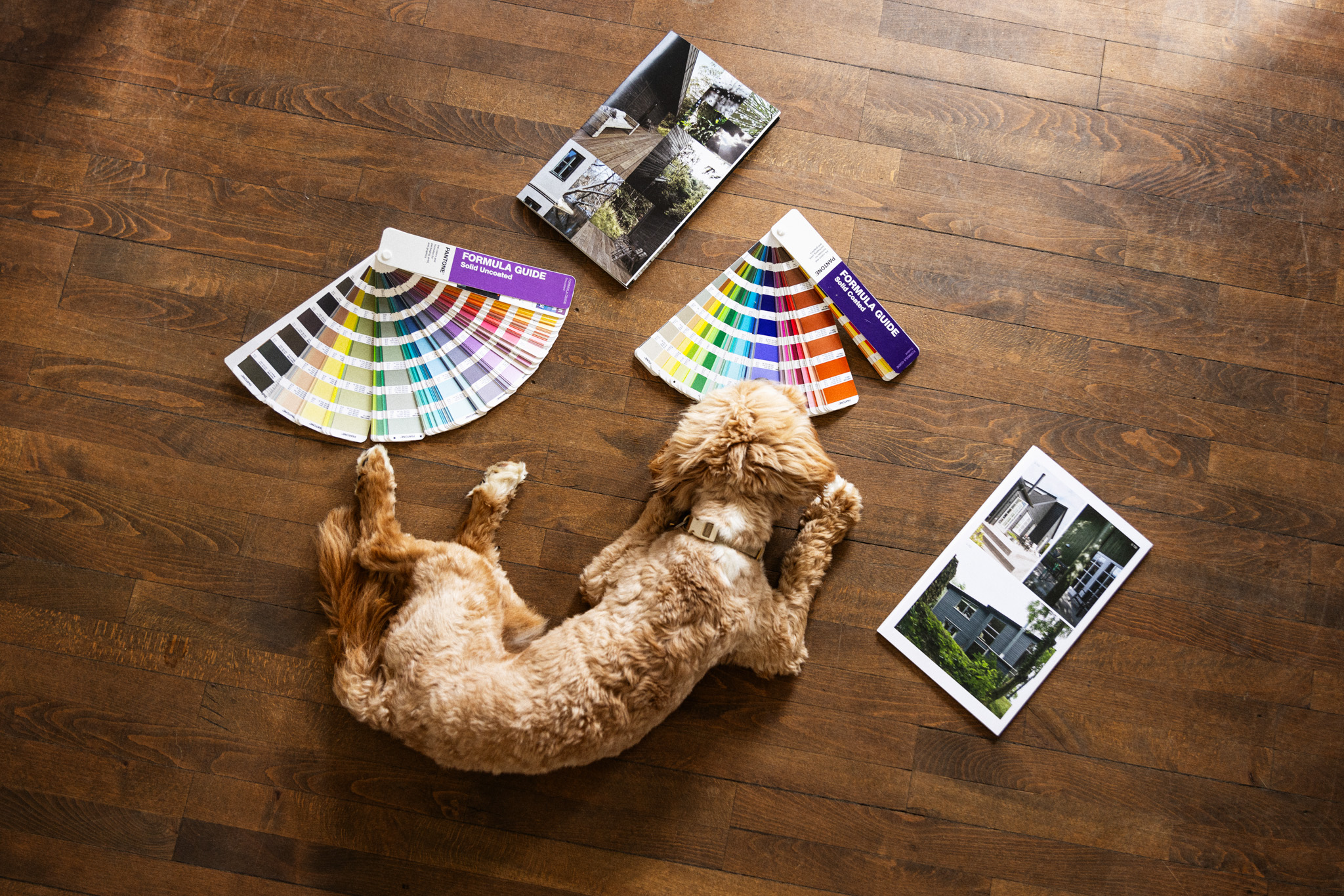
Consider a client we worked with who ditched the usual polished stock photos for candid shots of their team at work. We photographed real, unscripted office moments; conversations, collaborations, even the occasional coffee break laugh. The result was a set of images that felt undeniably theirs, capturing the spirit of the company. These visuals were instantly usable across their website and social media to reinforce their identity. Instead of a one-off generic image, they gained a library of on-brand content to draw from.
That reuse factor is not trivial. When you invest in a photoshoot or a day of filming, you can repurpose the content in countless ways: cut it into social media snippets, pull still images for blog posts, make an intro video for your homepage, use clips in presentations – the list goes on. You get more mileage from each authentic asset, which often makes it more cost-effective in the long run than constantly buying individual stock images.
There’s also an internal benefit to this approach: it can boost morale. Featuring your own team or real customers in your marketing makes them feel seen and valued. Employees take pride in seeing their faces (or work) represent the brand. In the case of our client, their people loved being the face of the company; much more empowering than seeing “Generic Face Model 04” plastered on their website (the same model who coincidentally appeared on 106 other brands’ sites!).
In short, authentic visuals not only tell your story better, they become part of your story and company culture.
Real visuals perform better on digital platforms
At the end of the day, marketing has to deliver results. Authentic visuals aren’t just for the feel-good factor, they outperform stock content on key metrics. We’ve observed that organic social posts with real photos tend to get higher engagement than posts using obvious stock imagery. It makes sense: people are scrolling quickly, and something genuine is more likely to make them pause. “A polished AI render or a staged stock photo won’t make someone stop scrolling. But a real, intimate moment captured by someone who was there… will,” as one creative director noted. Social media algorithms also tend to reward content that gets engagement, and authentic content is more likely to get those likes, comments, and shares.
Air France: UGC wins
Air France tested user-generated photos from actual travelers against polished stock images in Facebook ads. The result? Ads with the real traveler photos earned a 4% higher CTR on average and cut cost-per-acquisition by 9%. In a flash sale campaign, the authentic visuals drove an 11% higher CTR and a 21% lower cost-per-click. The airline discovered that genuine, relatable imagery outperformed stock across all key metrics – proving that on social media, real content delivers real results.
Authentic visuals can boost your SEO performance as well. Search engines like Google favour original content across the board. If your website is filled with the same stock photos seen elsewhere, it’s not doing you any favours in search ranking. Original images (with proper tags and descriptions) that are relevant to your content can actually improve your site’s visibility in search results. Plus, unique visuals are more likely to earn shares or backlinks, which further improves SEO. So, using your own imagery isn’t just good for branding – it can literally help more people find you online.
Clear rights and no legal worries
One often overlooked benefit of creating your own visual content is legal clarity. When you produce a photo or video, you know exactly where it came from and how it can be used. You own it, and you can reuse it whenever and wherever you need. There’s no grey area about rights.

With stock images, however, you’re typically buying a license with limitations. Some stock licenses restrict use cases or have expiration dates. If you don’t read the fine print, you could inadvertently misuse an image and face a takedown or even legal action. And even when used correctly, there’s nothing stopping your competitor from legally using that same stock photo in their marketing (a nightmare for differentiation). That simply doesn’t happen when the visuals are your own.
AI-generated images pose a newer kind of legal uncertainty. Who owns the rights to an image created by an algorithm? In many jurisdictions, the answer is murky at best. If the AI tool was trained on copyrighted content (which is often the case), the images it generates could inadvertently include elements of someone else’s work, and that someone could come knocking. Moreover, consider ethical risks: if your AI-generated imagery distorts reality, you could face backlash or cynicism for misleading advertising or undermining the authenticity your brand claims to champion.
In short, original brand visuals give you peace of mind. You control the content, you have the rights, and you steer clear of the ethical minefield.
Bringing it all together
For business owners and marketers, the message is clear: authentic visuals shouldn’t be viewed as an expense, but rather as an investment. They strengthen your brand identity by keeping it consistent and unique. They build trust and forge an emotional connection with customers. They provide rich storytelling material that can be repurposed across campaigns. They deliver better results on social media, ads, and even search engines. And they keep your brand safe from legal troubles and reputation risks.
Yes, it takes more effort to plan a photoshoot or gather real footage than to click “download” on a stock site. And yes, AI tools are getting smarter by the day. But none of these convenient shortcuts can replace the genuine human touch that authentic brand content provides.
Your audience knows the difference, and in a world increasingly flooded with fake or formulaic imagery, that difference matters more than ever.